

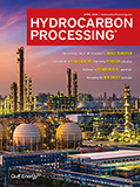
Miranda, M.
New catalyst increases FCC olefin yields
The new catalyst helped enable the refinery to maximize propylene and isobutylene yields, expand total LPG production, maintain LCN yield, improve bottoms upgrading and expand the FCCU operating window.
- 1
- ... 1 pages
Current Digital Edition
Sign up to Receive Our Newsletter
Latest News
- Consortium launches study to create a consolidated hub for recycled plastics 5/22
- Eni strengthens its global LNG strategy with long-term supply agreements in Indonesia 5/22
- Breakthrough shows how electricity could replace heat to turn CO₂ into useful chemicals 5/22
- bp's Whiting Refinery offers revised proposal to union in ongoing talks 5/22
- Plains oil pipeline partly shut down after rupture in East Los Angeles (U.S.), could disrupt supplies to refineries 5/22
- Vitol moves to open Mexico fuel terminal years after bribery scandal 5/22
Construction Boxscore: Project Spotlight
Project:
Long Son Petrochemicals Complex
Location:
Long Son, Vietnam
Operator:
Siam Cement Group
Cost:
$5.4 B
Capacity:
1.65 MMtpy
Completion date:
2023
Status:
Under Construction